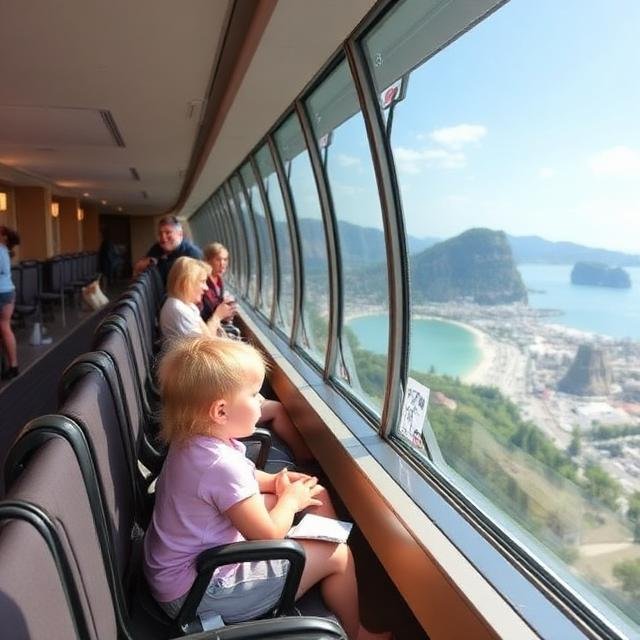
Traveling with young children can be one of the most rewarding experiences for families. Exploring new places together helps create lifelong memories, strengthens family bonds, and allows children to learn about the world in exciting ways. However, traveling with kids also requires extra preparation, patience, and planning.
Parents often worry about long flights, restless toddlers, meal schedules, and keeping children entertained during trips. The good news is that with the right strategies, family travel can be enjoyable and stress-free. In this guide, we will explore practical travel tips for families with young children, answer common parenting questions, and provide helpful advice to make family vacations smoother.
Why Traveling with Young Children Is Valuable
Many parents believe they should wait until their children are older before traveling. However, traveling with young kids can offer many benefits.
Family travel helps children:
- Learn about different cultures and environments
- Develop curiosity and confidence
- Strengthen family relationships
- Improve social and communication skills
- Experience learning outside the classroom
Although young children may not remember every detail of the trip, the experiences help shape their development and create meaningful family moments.
How to Make Travelling with Kids Easier?
Traveling with kids can sometimes feel overwhelming, but proper planning can make the experience much easier and more enjoyable.
1. Plan Ahead
Planning is one of the most important steps when traveling with children. Research your destination and choose accommodations, transportation, and activities that are family-friendly.
Look for:
- Kid-friendly hotels or resorts
- Short travel distances between attractions
- Child-friendly restaurants
- Safe and comfortable transportation
Planning ahead reduces stress and ensures a smoother travel experience.
2. Pack Smart
Packing properly is essential when traveling with young children. Make sure to bring items that will keep your kids comfortable and entertained.
Important items to pack include:
- Snacks and drinks
- Extra clothes
- Favorite toys or books
- Wet wipes and hand sanitizer
- Small first-aid kit
- Travel pillow and blanket
Packing familiar items can help children feel more relaxed in new environments.
3. Maintain a Flexible Schedule
While planning is important, flexibility is equally essential when traveling with kids. Young children may get tired, hungry, or restless during trips.
Allow time for:
- Rest breaks
- Snack stops
- Playtime
- Unexpected delays
A flexible schedule helps reduce stress for both parents and children.
4. Keep Kids Entertained
Long journeys can be challenging for children. Bringing entertainment can help keep them occupied.
Good travel entertainment options include:
- Coloring books
- Storybooks
- Puzzle games
- Tablets or portable devices with movies
- Music or audiobooks
Interactive activities help pass time and keep kids engaged.
5. Choose Family-Friendly Destinations
Selecting the right destination makes a huge difference when traveling with children. Destinations with parks, museums, beaches, and theme parks are ideal for family trips.
Some great family-friendly destinations include:
- Orlando, USA
- Tokyo, Japan
- Singapore
- Paris, France
- Sydney, Australia
These destinations offer activities suitable for both children and adults.
What Is the Hardest Age to Travel with Kids?
Many parents wonder which age is the most challenging for travel.
Generally, toddlers between 1 and 3 years old are considered the hardest age to travel with.
This stage can be challenging because toddlers:
- Have lots of energy
- Struggle with sitting still for long periods
- Need regular naps and meals
- May experience mood swings or tantrums
However, traveling with toddlers can still be enjoyable with the right preparation.
Tips for Traveling with Toddlers
- Schedule travel during nap times
- Bring familiar toys and comfort items
- Keep snacks easily accessible
- Allow extra time for activities
- Be patient and flexible
Understanding your child’s needs can help make travel easier during this stage.
What Is the 10-10-10 Rule for Kids?
The 10-10-10 rule for kids is a helpful guideline used by some parents to encourage patience and independence during daily routines and travel situations.
The rule suggests giving children:
- 10 seconds to try solving a small problem on their own
- 10 words of guidance from the parent
- 10 seconds of encouragement
This method helps children build confidence and problem-solving skills.
During travel, the 10-10-10 rule can be useful when children face small challenges such as:
- Putting on their shoes
- Organizing their travel bag
- Following simple instructions
Encouraging independence can make travel smoother and help children develop responsibility.
What Is the 9 Minute Rule for Kids?
The 9 minute rule is a parenting technique that focuses on giving children focused attention during key moments of the day.
The rule encourages parents to spend 9 minutes of undivided attention with their child during important parts of the day.
These moments include:
- The first 3 minutes after the child wakes up
- The first 3 minutes after returning home from school or activities
- The last 3 minutes before bedtime
Applying this rule during travel can help children feel secure and emotionally connected to their parents.
For example, parents can spend a few focused minutes talking, playing, or cuddling with their children during travel breaks.
This small effort can significantly improve children’s mood and behavior during trips.
Tips for Managing Long Flights with Kids
Air travel with children can be stressful, especially on long flights. However, the following strategies can make the experience easier.
Choose the Right Flight Time
Try to book flights during your child’s usual sleep time. Overnight flights may help children sleep through much of the journey.
Bring Plenty of Snacks
Airplane food may not always be suitable for kids. Bringing healthy snacks can prevent hunger-related tantrums.
Good snack options include:
- Fruit slices
- Crackers
- Granola bars
- Cheese sticks
Encourage Movement
When it is safe to do so, allow children to stand, stretch, or walk around the cabin.
Movement helps prevent restlessness and keeps children comfortable.
Use Entertainment
Download movies, cartoons, or games before the flight. This ensures your child has access to entertainment even without internet.
Tips for Road Trips with Kids
Road trips are a great way to travel with young children because they offer flexibility and frequent stops.
Plan Regular Stops
Children may need breaks every 2–3 hours to stretch, eat, and use the restroom.
Bring Travel Games
Simple games can make road trips more fun.
Examples include:
- I Spy
- Counting cars of different colors
- Storytelling games
Pack a Car Activity Bag
Include items such as:
- Coloring books
- Stickers
- Small toys
- Puzzle books
These activities help keep kids entertained during long drives.
Managing Kids’ Sleep During Travel
Sleep disruptions are common when traveling with young children.
To help maintain healthy sleep routines:
- Bring familiar items like pillows or blankets
- Stick to regular bedtime routines when possible
- Avoid overly busy schedules
- Allow children time to adjust to new environments
Good sleep helps children stay happy and energetic during trips.
Keeping Kids Safe While Traveling
Safety should always be a priority when traveling with children.
Important safety tips include:
- Keep identification with your child
- Teach children basic travel safety rules
- Use child safety seats when needed
- Stay aware in crowded areas
- Carry copies of important documents
Being prepared helps prevent potential problems during travel.
Final Thoughts
Traveling with young children can be both exciting and challenging, but with proper planning and patience, it can become one of the most rewarding family experiences. Understanding helpful parenting strategies such as the 10-10-10 rule and the 9 minute rule can improve children’s behavior and emotional well-being during trips.
Although toddlers between 1 and 3 years old may be the hardest age to travel with, thoughtful preparation, entertainment, and flexible schedules can make the journey smoother. Parents who focus on preparation, safety, and keeping children engaged will find that family travel becomes more enjoyable and memorable.
By following these travel tips for families with young children, parents can reduce stress and create meaningful adventures that strengthen family bonds and inspire curiosity in young travelers.