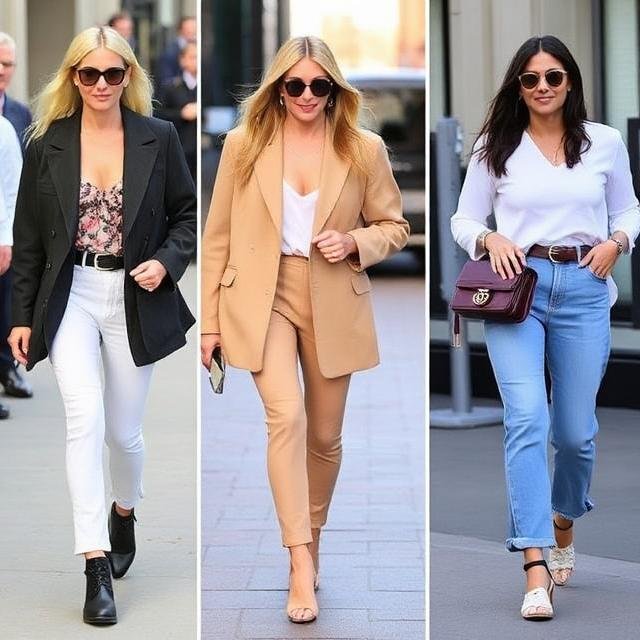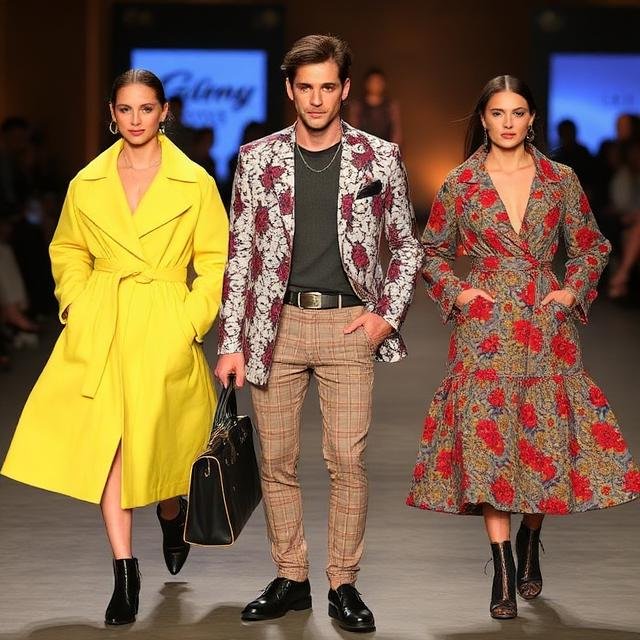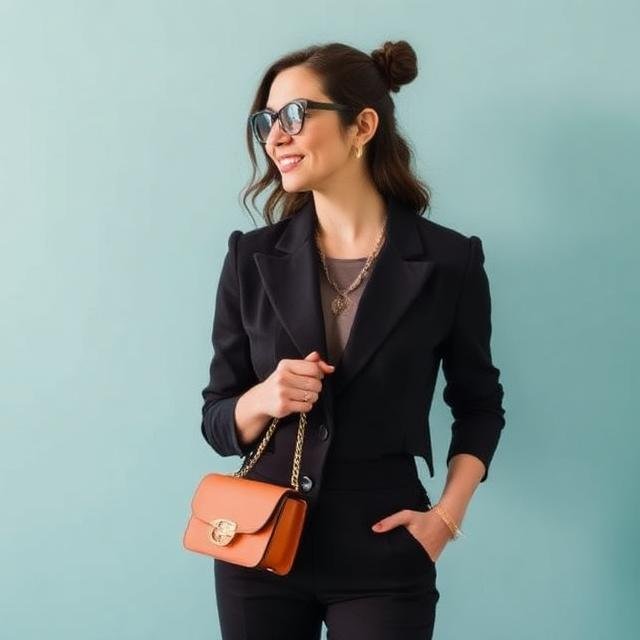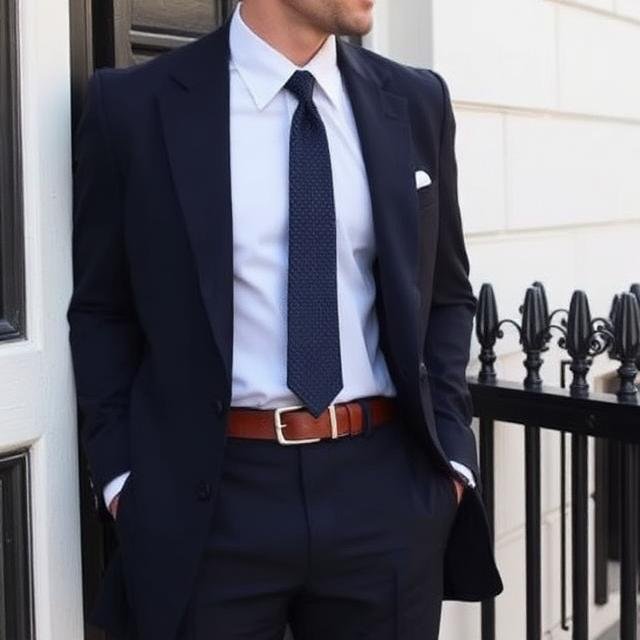
Your personal style is a reflection of who you are—it communicates your personality, confidence, and lifestyle without saying a word. The good news is that style isn’t something you’re born with; it’s something you can develop over time with the right approach.
In this detailed guide, you’ll learn how to improve your personal style step by step, along with answers to key questions like How to develop better personal style?, What is the 3-3-3 rule for fashion?, What is the 5-4-3-2-1 method of wardrobe?, and What is the 3-3-3 rule for packing?
Why Personal Style Matters
Personal style goes beyond fashion trends—it’s about creating a consistent and authentic image.
Benefits of a Strong Personal Style:
- Boosts confidence
- Saves time when choosing outfits
- Creates a memorable impression
- Reflects your personality
- Enhances professionalism
How to Develop Better Personal Style?
Developing your personal style is a process that requires self-awareness, experimentation, and consistency.
Step 1: Understand Your Personality and Lifestyle
Your style should match your daily life and preferences.
Ask yourself:
- What do I do daily (work, travel, social life)?
- Do I prefer comfort or bold fashion?
- What colors and styles make me feel confident?
Step 2: Find Style Inspiration
Look for inspiration from different sources:
- Fashion blogs
- Social media platforms
- Celebrities or influencers
Tip: Save outfits you like and identify common patterns.
Step 3: Build a Capsule Wardrobe
A capsule wardrobe consists of versatile pieces that can be mixed and matched.
Examples:
- Neutral t-shirts
- Classic jeans
- Blazers
- Comfortable shoes
Step 4: Focus on Fit and Quality
No matter how trendy your outfit is, poor fit can ruin your look.
Tips:
- Choose clothes that fit your body shape
- Invest in high-quality basics
- Tailor clothes if needed
Step 5: Choose a Color Palette
Stick to a consistent color scheme to make outfit coordination easier.
Popular palettes:
- Neutral tones (black, white, beige)
- Earthy tones (brown, olive, rust)
- Bold accents for variety
Step 6: Experiment with Accessories
Accessories can elevate even the simplest outfits.
Examples:
- Watches
- Jewelry
- Bags
- Sunglasses
Step 7: Develop Signature Looks
Create a few go-to outfits that define your style.
Example:
- Smart casual (blazer + jeans + sneakers)
- Minimalist (neutral tones + simple accessories)
Step 8: Stay Consistent
Consistency helps build a recognizable style.
What Is the 3-3-3 Rule for Fashion?
The 3-3-3 rule for fashion is a simple way to create multiple outfits with fewer items.
The Rule:
- 3 tops
- 3 bottoms
- 3 pairs of shoes
Benefits:
- Simplifies wardrobe decisions
- Encourages creativity
- Reduces clutter
Example:
With just 9 pieces, you can create several outfit combinations for different occasions.
What Is the 5-4-3-2-1 Method of Wardrobe?
The 5-4-3-2-1 wardrobe method is a packing and wardrobe planning technique designed for simplicity and efficiency.
The Breakdown:
- 5 tops
- 4 bottoms
- 3 pairs of shoes
- 2 layering pieces (jackets, sweaters)
- 1 accessory set
Why It Works:
- Keeps your wardrobe minimal
- Ensures versatility
- Makes outfit planning easier
Example Use Case:
Perfect for travel or building a minimalist closet.
What Is the 3-3-3 Rule for Packing?
The 3-3-3 rule for packing is a travel-friendly version of minimalist styling.
The Rule:
- 3 outfits
- 3 pairs of shoes
- 3 accessories
Benefits:
- Saves space
- Reduces overpacking
- Keeps your travel style organized
Practical Tips to Improve Your Personal Style
1. Declutter Your Wardrobe
Remove clothes you no longer wear.
Tip: If you haven’t worn it in a year, consider donating it.
2. Invest in Basics
Basics are the foundation of your style.
Examples:
- White shirt
- Black jeans
- Neutral sneakers
3. Follow Trends Selectively
Not every trend will suit you.
Tip: Choose trends that match your personality.
4. Pay Attention to Grooming
Style isn’t just about clothes.
Focus on:
- Hair
- Skincare
- Hygiene
5. Dress for the Occasion
Always consider where you’re going.
6. Confidence Is Key
The way you carry yourself matters more than what you wear.
Common Style Mistakes to Avoid
1. Ignoring Fit
Ill-fitting clothes can ruin your look.
2. Overcomplicating Outfits
Keep it simple and balanced.
3. Following Every Trend
Stick to what suits you.
4. Neglecting Comfort
Uncomfortable clothes affect confidence.
5. Lack of Planning
Plan outfits ahead to save time.
How to Maintain Your Personal Style
1. Update Your Wardrobe Regularly
Replace worn-out items.
2. Stay Inspired
Keep exploring new styles.
3. Keep It Organized
A neat wardrobe makes dressing easier.
4. Adapt to Life Changes
Your style should evolve with your lifestyle.
Final Thoughts
Improving your personal style doesn’t require a complete wardrobe overhaul—it’s about making smart choices and staying consistent. By understanding how to develop better personal style, applying the 3-3-3 rule for fashion, using the 5-4-3-2-1 wardrobe method, and following the 3-3-3 rule for packing, you can create a stylish, functional, and confident look.